Balancing Meals Across the Week
Published: February 2026
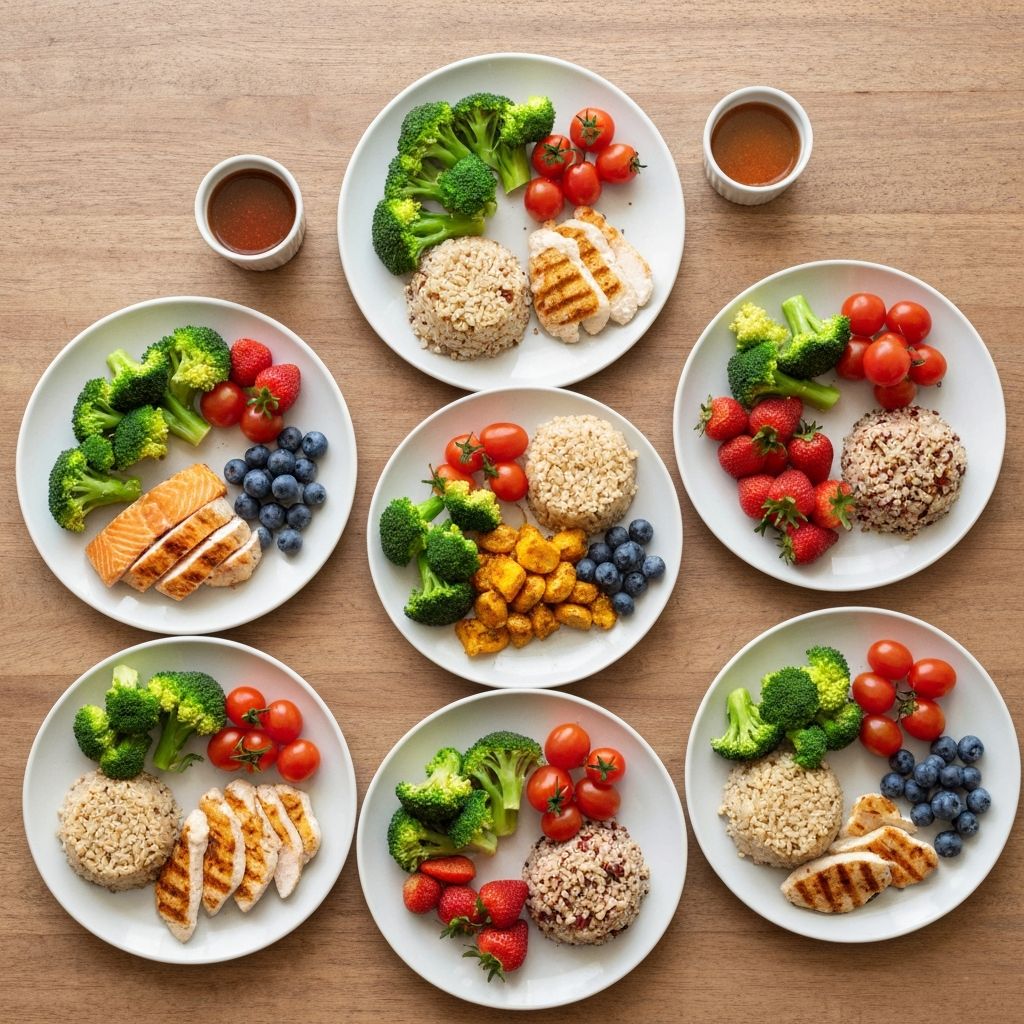
The concept of balance in weekly meal planning involves considering how different food types and nutrients are distributed across multiple days. Rather than focusing on perfection within individual meals, a weekly perspective allows observation of patterns across a longer timeframe.
Understanding Food Group Distribution
Different foods provide different nutritional components. Vegetables, fruits, whole grains, proteins, and other food categories each contribute distinct nutrients to overall consumption. Weekly planning provides an opportunity to visualize how these different food types appear across multiple days.
The distribution of food groups throughout a week can vary based on personal preferences, ingredient availability, and practical considerations. Some individuals prefer consistent inclusion of various food types daily, while others find a more varied approach across different days works better for their circumstances.
Variety and Nutritional Range
Nutritional science recognizes that different foods within the same category offer different specific nutrients. For example, various vegetables provide different vitamins and minerals. Weekly planning can help visualize whether ingredient choices include diversity or rely heavily on a narrow selection.
Incorporating variety happens naturally for some individuals, while others may find themselves gravitating toward familiar choices. Neither pattern is inherently problematic, though awareness of one's patterns can inform decisions about whether introducing more variety might be beneficial.
Meal Timing and Distribution
The distribution of food intake across the day and week involves multiple considerations. Some research explores how meal timing relates to energy levels and bodily processes, though individual experiences with meal timing vary considerably.
Weekly planning allows consideration of how meals are spaced throughout each day and how patterns might differ between weekdays and weekends. Work schedules often create different patterns for weekdays compared to days off, and planning can acknowledge these variations.
Portion Awareness
Planning meals across a week provides perspective on portion patterns. Visual representation of planned meals can help individuals observe whether portions align with their intentions and circumstances. This awareness differs from rigid portion control and instead involves understanding one's own consumption patterns.
Portion needs vary based on numerous factors including body size, activity level, metabolism, and life stage. What constitutes an appropriate portion for one person may differ significantly for another. Planning allows individuals to consider their portions within their specific context.
Addressing Nutritional Gaps
When meals are planned across a week, patterns become more visible. If certain food categories are consistently absent or if variety is limited, these patterns become apparent. This visibility allows informed decisions about whether adjustments might be beneficial.
However, identifying patterns differs from requiring rigid adherence to specific formulas. Individual needs vary, and what appears as a gap for one person might be entirely appropriate for another based on their unique circumstances, preferences, and health conditions.
Cultural and Personal Food Preferences
Cultural backgrounds significantly influence food preferences and eating patterns. Traditional cuisines developed over generations incorporate their own approaches to balancing meals, often including time-tested combinations and preparations.
Effective meal planning respects individual cultural contexts and personal preferences. Attempting to impose external frameworks that conflict with deeply held food traditions or personal tastes often proves unsustainable. Balance can be achieved through many different cultural and personal approaches.
Seasonal Eating Patterns
Food availability changes throughout the year, and seasonal variations naturally influence what people eat. Planning that acknowledges seasonal patterns can take advantage of peak availability periods when certain foods are more abundant and often more affordable.
Seasonal eating represents one approach to variety, as the natural cycle of growing seasons introduces different foods at different times. This creates variety across weeks and months rather than requiring the same diversity within every single week.
Practical Limitations and Trade-offs
Ideal balance concepts sometimes conflict with practical realities. Budget constraints, time availability, cooking skills, and access to diverse ingredients all influence what is realistically achievable. Effective planning acknowledges these constraints rather than ignoring them.
Trade-offs are inevitable in meal planning. A meal that offers excellent nutritional variety might require more preparation time. Conversely, quick and convenient options might offer less variety. Understanding these trade-offs helps in making informed decisions aligned with priorities and circumstances.
Long-term Perspective
While weekly planning provides a useful timeframe, an even longer perspective can be valuable. Patterns that emerge across weeks and months provide information about overall dietary patterns. Balance need not be achieved within every single week if a broader view shows appropriate variety.
This longer perspective can reduce pressure to achieve perfection weekly while maintaining awareness of overall patterns. It acknowledges that life includes periods of routine and periods of disruption, and balance can be considered across these varying circumstances.
Educational Context and Limitations
This article presents educational information about meal balance concepts. The content describes general principles and considerations rather than providing specific dietary recommendations for individuals.
Nutritional needs vary significantly based on age, health status, activity level, and numerous other individual factors. The information provided here does not constitute personalized dietary advice or medical guidance.
Individuals with specific health conditions, dietary restrictions, or nutritional concerns should consult qualified healthcare professionals, registered dietitians, or nutritionists who can provide personalized recommendations based on thorough assessment of individual circumstances.
Balancing meals across a week represents one approach to organizing food consumption. The principles discussed here offer frameworks for consideration rather than rigid rules, recognizing that individuals must adapt concepts to their unique situations and needs.