Organizing Meals for Modern Routines
Published: February 2026
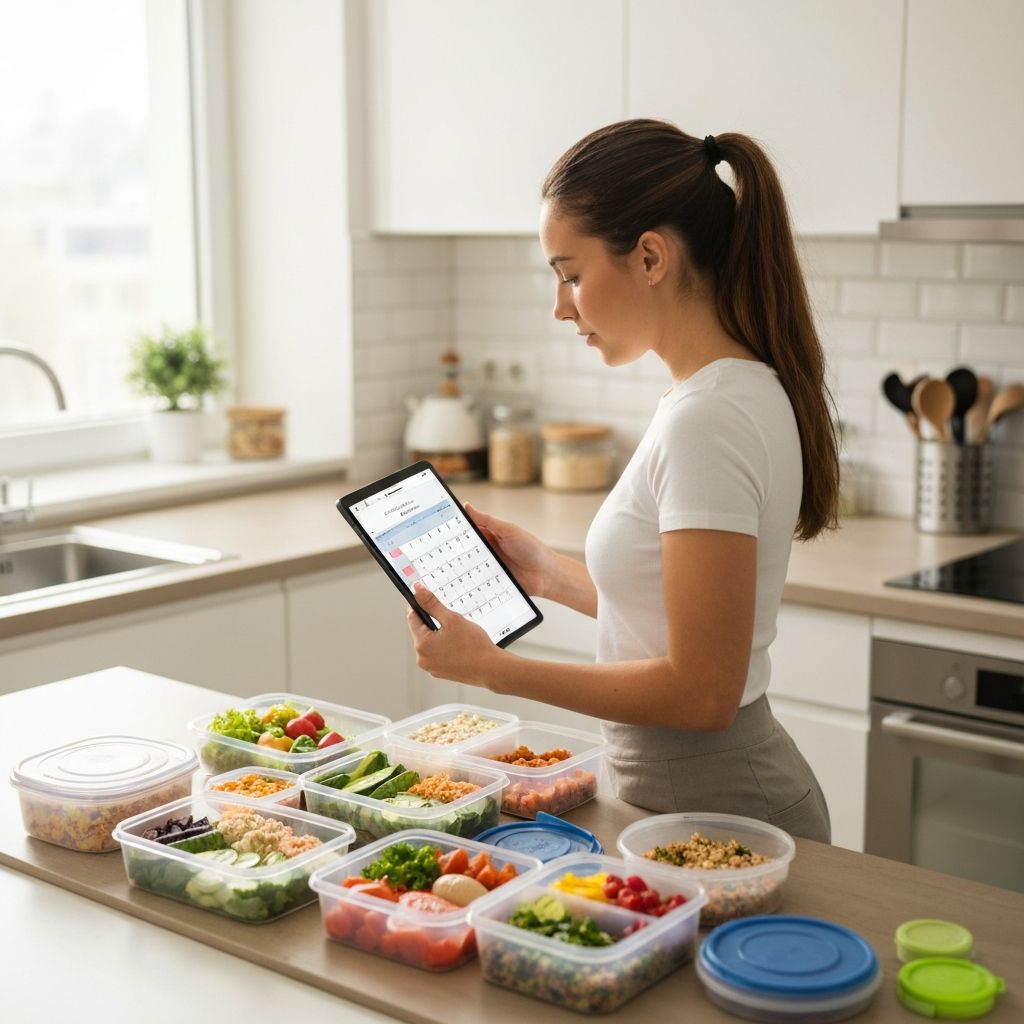
Modern lifestyles present unique considerations for meal organization. The variability of work schedules, commute times, physical activity patterns, and social commitments creates a complex landscape within which individuals integrate their eating habits.
Contemporary Schedule Patterns
Work patterns in contemporary society vary widely. Traditional fixed schedules exist alongside flexible arrangements, shift work, remote work, and hybrid models. Each pattern presents different circumstances for meal timing and preparation.
Individuals working fixed daytime schedules may have consistent meal times, while those with rotating shifts experience regularly changing patterns. Remote workers might have more flexibility for meal preparation during the day but may also face blurred boundaries between work and personal time.
Commute and Transportation Factors
Transportation between locations consumes time and influences meal organization. Longer commutes reduce available time for meal preparation and may necessitate portable meal options. The method of transportation also affects what types of meals are practical to transport and consume.
Urban environments with shorter commutes or walkable distances offer different possibilities compared to suburban or rural settings with longer travel requirements. These geographic factors influence both the time available for food preparation and access to food sources.
Energy Demands Throughout the Day
Daily activities involve varying levels of physical and mental energy expenditure. Work that requires sustained concentration, physical labor, or irregular activity patterns all influence energy needs and eating preferences throughout the day.
Understanding the relationship between activity levels and meal timing helps in organizing food consumption. Some individuals function better with larger meals earlier in the day, while others prefer lighter eating during active periods and more substantial meals during rest.
Social and Family Dynamics
Meals often serve social functions beyond nutrition. Shared meals with family members, friends, or colleagues involve coordinating schedules and preferences among multiple people. These social dimensions influence when meals occur and what types of meals are practical.
Households with multiple members may need to accommodate different schedules and preferences simultaneously. Single individuals face different considerations, with more autonomy over meal decisions but also sole responsibility for all planning and preparation.
Technology and Meal Organization
Digital tools have changed how some individuals approach meal planning. Applications for recipe storage, shopping lists, and schedule management offer organizational capabilities that were previously more time-consuming to maintain manually.
However, technology represents tools rather than requirements. Effective meal organization occurred before digital platforms and continues through various methods ranging from paper-based systems to mental tracking to sophisticated apps. The method matters less than finding an approach that fits individual preferences and circumstances.
Space and Equipment Considerations
Living situations vary in available kitchen space, equipment, and food storage capacity. A full kitchen with ample storage enables different meal organization approaches compared to limited facilities. Understanding these constraints helps create realistic plans.
Equipment availability influences which cooking methods are feasible. Basic equipment can support many meal types, while specialized tools expand possibilities. The key lies in organizing meals around available resources rather than assuming ideal conditions.
Economic Factors in Meal Planning
Budget considerations influence food choices and planning approaches. Different ingredients carry different costs, and meal organization can take these economic factors into account. Planning allows visualization of food spending across a week, potentially helping align purchases with available resources.
Economic efficiency in meal planning involves multiple dimensions including ingredient cost, waste reduction, and time value. What appears economical in ingredient cost might require significant time investment, while convenience options may save time but involve higher monetary costs.
Adapting to Routine Changes
Routines change over time due to job transitions, living situation changes, or life stage shifts. Meal organization approaches that work in one context may need adjustment when circumstances change. Flexibility in approach allows adaptation to new patterns.
Temporary disruptions to routine, such as travel, illness, or unusual work demands, also require adaptation. Having strategies for maintaining some structure during disrupted periods can provide stability while acknowledging that perfect adherence to normal patterns may not be realistic.
Educational Context and Limitations
This article provides educational information about meal organization in modern contexts. The content describes general patterns and considerations rather than providing specific recommendations for individual circumstances.
Each person's situation involves unique factors including work patterns, living arrangements, health considerations, and personal preferences. The information presented here is for educational purposes and does not replace professional guidance.
Individuals seeking personalized advice should consult qualified professionals who can assess their specific circumstances and provide appropriate recommendations tailored to their needs.
Organizing meals within modern routines involves balancing multiple factors and constraints. The approaches discussed here represent possibilities that individuals can adapt based on their unique circumstances, priorities, and preferences.